v4.12.4
Current Version
macOS 11+
Required (macOS 13+ recommended)


Setapp is a subscription service that offers 200+ apps including Downie for a monthly fee.
Downie for iOS is available via Onside - an alternative marketplace within the EU.

If you are a student, you can buy Downie with a discount. Please contact us for more information.




Perhaps the most lasting legacy of Flash Player 11.5 was not a graphical feature, but a logistical one. Version 11.5 marked a definitive shift in Adobe’s distribution strategy. Historically, updating Flash was a manual chore for users, often resulting in a fragmented user base where developers had to code for multiple older versions.
It functioned as a plugin for Internet Explorer , Mozilla Firefox , and Google Chrome . Current Status: End of Life (EOL)
It supported immersive full-screen video, high-fidelity text rendering, and real-time dynamic filters (such as Blur, DropShadow, and Glow).
To understand 11.5.0, one must acknowledge what was happening outside the browser. By late 2012, Steve Jobs’s 2010 "Thoughts on Flash" had aged into prophecy. The iPhone and iPad, which refused to run any version of Flash, now dominated mobile computing. Adobe had already killed its mobile Flash Player in June 2012—just four months before 11.5.0’s desktop debut.
Adobe Flash Player version 11.5.0 was a milestone in the history of web content delivery. It showcased the potential of interactive and dynamic web experiences during a pivotal moment in the evolution of internet technologies. While Flash ultimately became a relic of the past, its legacy can be seen in the modern web technologies that followed. The story of Flash serves as a reminder of the rapid pace of technological innovation and the importance of adapting to changing landscapes in the digital world.








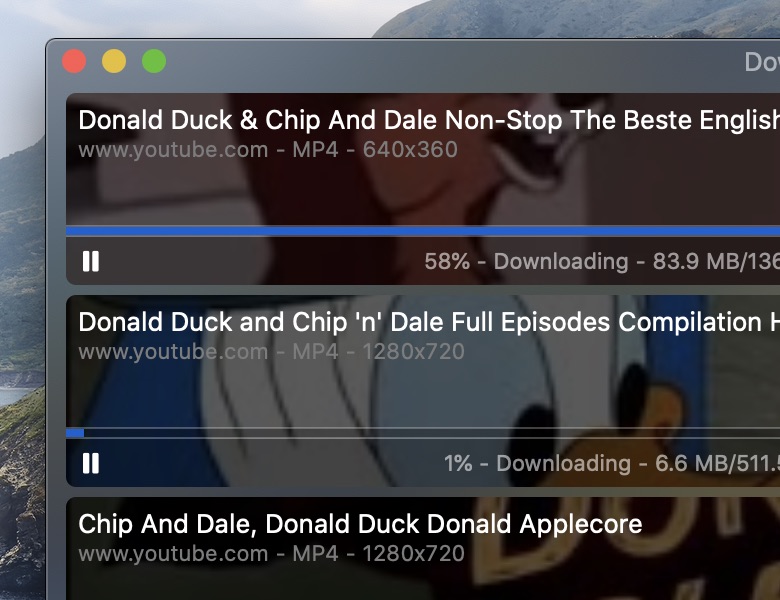
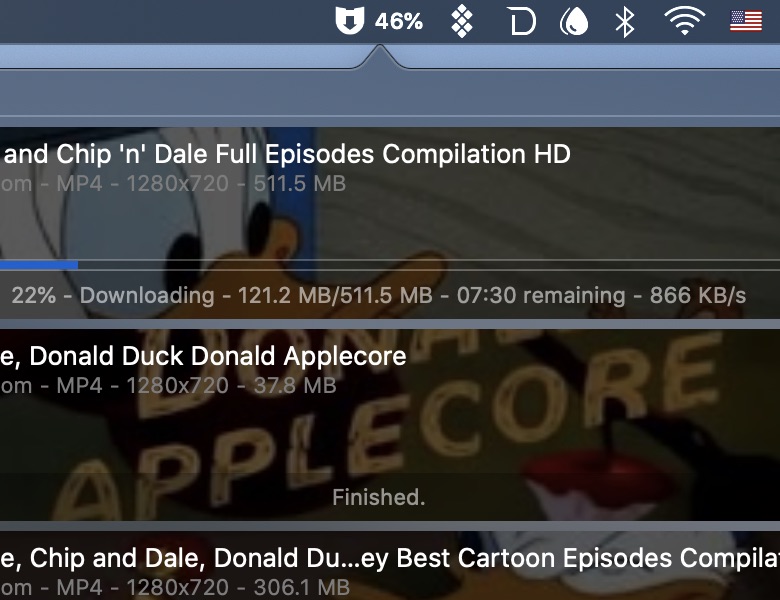
Excellent way to get short clips from the Internet.

I've been using this app for years to download videos/audio of the Internet to view or listen later. This app never disappoints. adobe flash player version 11.5.0

Reliable, efficient, sleek. Does what it claims and more. Perhaps the most lasting legacy of Flash Player 11

Love this app. It is so easy to paste in a link to a page with a video and then download the file. It functioned as a plugin for Internet Explorer
Install a browser extension to send links to Downie from your browser with a single click.
Try the User-Guided Extraction for downloading images and content from sites not supported out of the box.
Set postprocessing to Audio Only to download just the audio.
Perhaps the most lasting legacy of Flash Player 11.5 was not a graphical feature, but a logistical one. Version 11.5 marked a definitive shift in Adobe’s distribution strategy. Historically, updating Flash was a manual chore for users, often resulting in a fragmented user base where developers had to code for multiple older versions.
It functioned as a plugin for Internet Explorer , Mozilla Firefox , and Google Chrome . Current Status: End of Life (EOL)
It supported immersive full-screen video, high-fidelity text rendering, and real-time dynamic filters (such as Blur, DropShadow, and Glow).
To understand 11.5.0, one must acknowledge what was happening outside the browser. By late 2012, Steve Jobs’s 2010 "Thoughts on Flash" had aged into prophecy. The iPhone and iPad, which refused to run any version of Flash, now dominated mobile computing. Adobe had already killed its mobile Flash Player in June 2012—just four months before 11.5.0’s desktop debut.
Adobe Flash Player version 11.5.0 was a milestone in the history of web content delivery. It showcased the potential of interactive and dynamic web experiences during a pivotal moment in the evolution of internet technologies. While Flash ultimately became a relic of the past, its legacy can be seen in the modern web technologies that followed. The story of Flash serves as a reminder of the rapid pace of technological innovation and the importance of adapting to changing landscapes in the digital world.